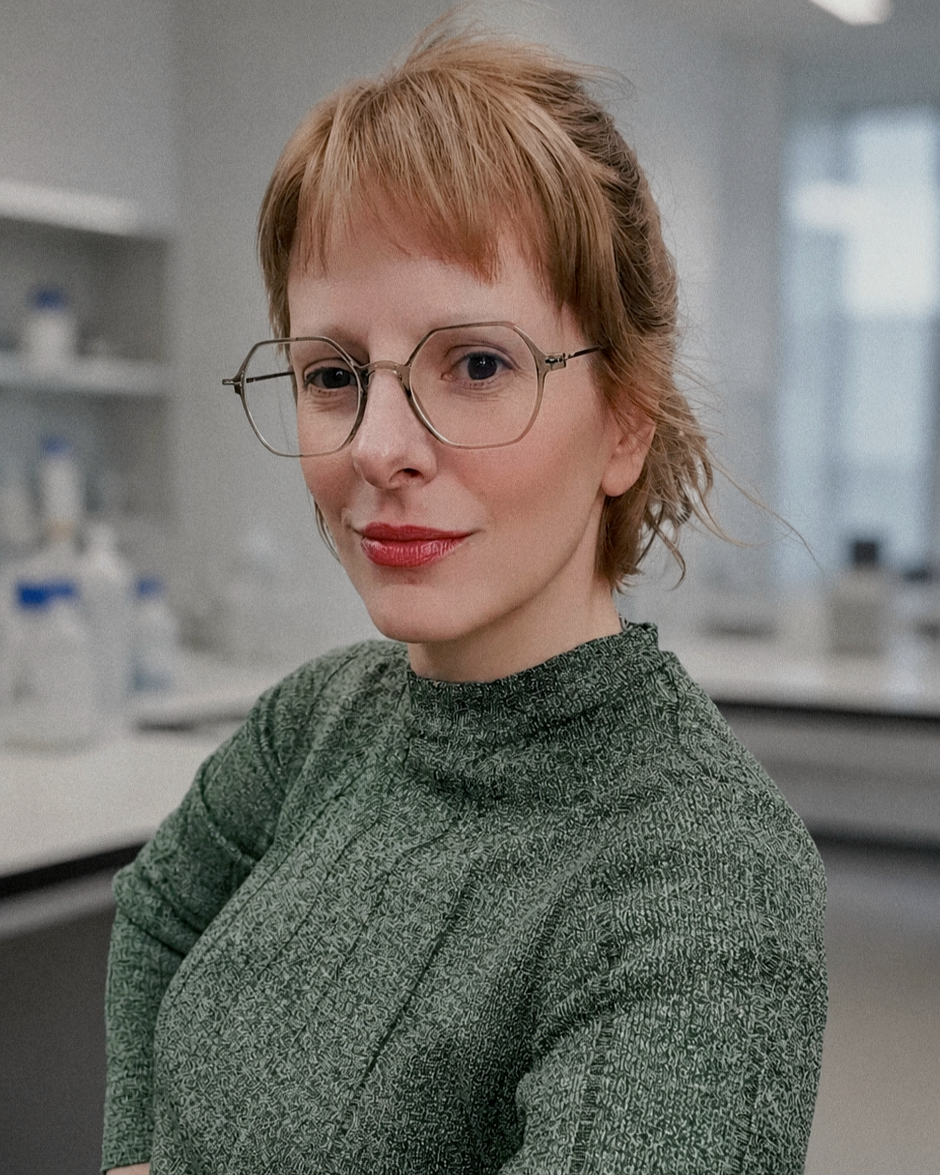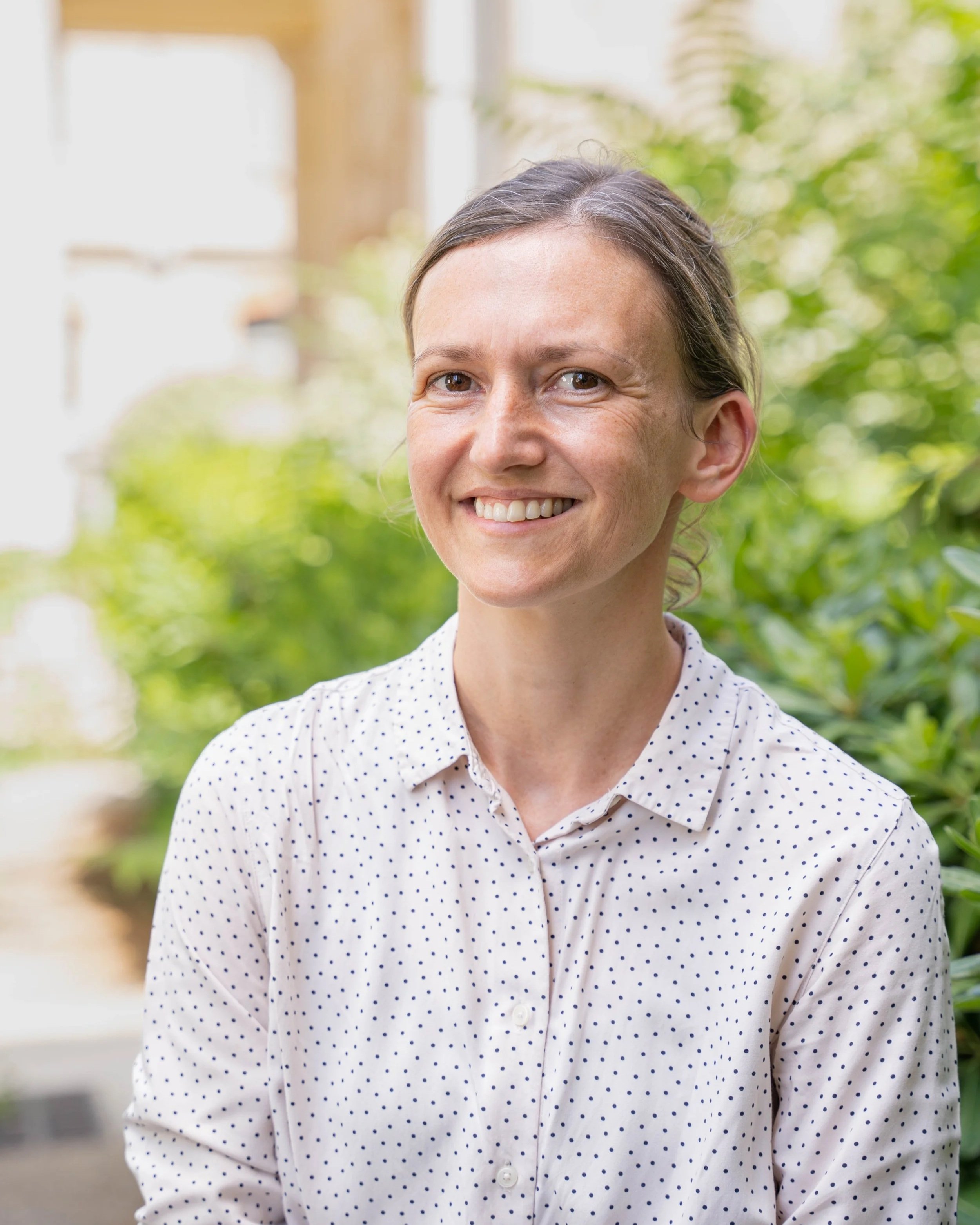
Dr. Julie Koenig
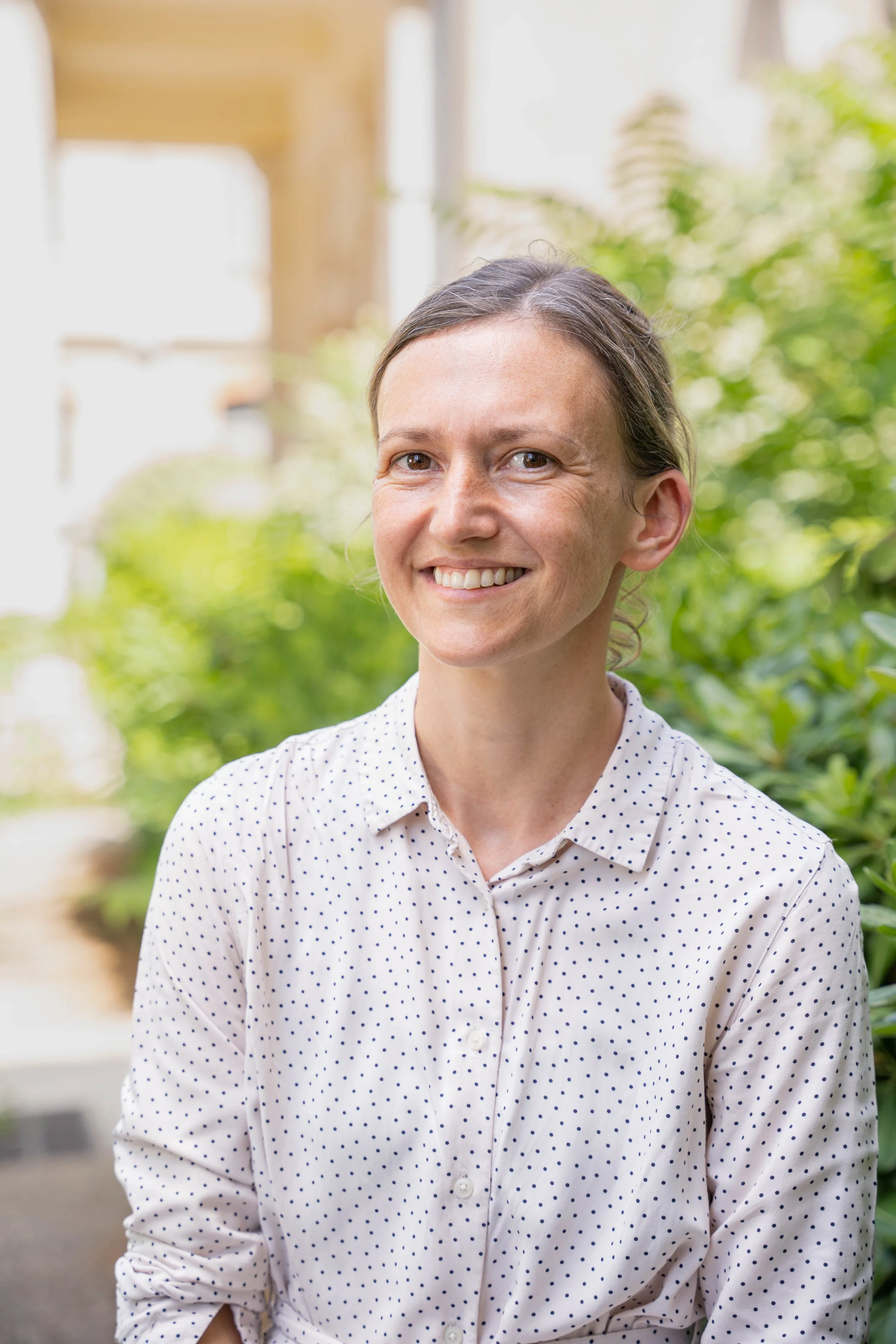
Assistant Professor, Aix-Marseille University
Postdoctoral Fellow, University of California, San Diego
PhD, University of Strasbourg
Dr. Julie Koenig grew up in a small village in France, where she loved spending time at a nearby farm. She was especially drawn to the horses and started riding when she was just three years old. As she grew older, she remained captivated by animals but also developed an affinity for mathematics and biology. While her environment and high school classes contributed to her gravitation towards science, there was another major driving factor: The X-Files. The show’s protagonist, Dr. Dana Scully—a forensic pathologist working for the FBI—became an inspiration. Julie too wanted to be a strong female lead, investigating and solving mysteries. Today, she is exactly that, but the mysteries she investigates look a little different. An Associate Professor at Aix-Marseille University, Julie is a principal investigator of a team studying the neural correlates of spatial representation and memory.
Julie entered University of Strasbourg planning to go into medicine, perhaps into forensic pathology like Dana Scully, MD. In France, students enter medicine directly from high school. The first year is incredibly competitive, and only a subset of the class is selected to continue the medical track. Although Julie was not chosen to continue, she was not discouraged. She had loved the class topics in her first year, especially those related to animal behavior. She switched into a psychology major and loved every minute of it. After earning her bachelor’s degree, Julie remained at University of Strasbourg pursuing a master’s degree in cognitive science. During a research internship, she worked in a behavioral neuroscience lab studying the role of serotonin signaling in spatial memory in rats—an experience that would set the stage for an illustrious career on related topics.
Julie adored every aspect of the lab, even the rats themselves: it was “pleasing to collaborate with these very smart animals!” She ultimately stayed in the lab for a PhD and focused her dissertation research on the medial septum, a small cluster of neurons in the basal forebrain that project to the hippocampus and entorhinal cortex, regions classically associated with memory and spatial understanding. The medial septum receives input from serotonergic neurons, and Julie set out to understand how serotonin signaling modulates spatial memory. She used a pharmacological approach that involved testing the effects of a serotonergic receptor agonist (which inhibits neurons in the medial septum) on spatial memory performance. She found that the agonist led to memory deficits and further showed that these deficits were not mediated by septo-hippocampal cholinergic neurons. While this was a satisfying result, Julie couldn’t shake the feeling that there was more to the story. She wondered how medial septum inactivation affected the activity of neurons in the hippocampus and entorhinal cortex, two regions that receive its projections. To explore this further, Julie would need to learn electrophysiology, so she began looking for postdoctoral opportunities that would add this skill to her repertoire.
Perusing the Federation of European Neuroscience Societies (FENS) job advertisements, Julie saw a post from Dr. Stefan Leutgeb. Stefan was wrapping up a postdoc in the Mosers’ lab, famous for its discovery of “grid cells” in the entorhinal cortex that form a map of an animal’s environment. He was hiring a postdoc to help him launch his research program at the University of California, San Diego. Although Julie was nervous that her English was not strong enough to allow her to be competitive for the position, she prepared relentlessly for her talk, and it went well. She was thrilled when she landed the job—she could improve her English while learning electrophysiology! She packed her bags and headed west to sunny San Diego.
The dream turned out to be a bit rosier than the reality. Julie had underestimated the amount of energy required to operate in an environment where she understood very little of what was said around her, and she couldn’t express her thoughts or ideas without concentrating hard on the words and sentence structure. The first six months of navigating this language barrier were exhausting, but eventually her English began to improve, and she had more energy to give to her science. Originally, her postdoc project was unrelated to the medial septum. But while she was presenting a journal club one day, Julie mentioned that medial septum inactivation was known to reduce theta rhythm, and that computational models predicted theta to be critical for generating the grid pattern of grid cells. She hypothesized that, if this were true, inactivating the medial septum should disrupt the grid pattern of entorhinal grid cells. Stefan approached her after the journal club. “Drop everything else and test that hypothesis,” he said.
It was easier said than done. While Julie had extensive experience using drugs to inactivate the medial septum, she needed to record from grid cells as a readout. She learned the surgery for implanting tetrodes into the entorhinal cortex of the rat brain, but she could not find neurons that fired in the pattern typical of grid cells. She had done around 35 surgeries to no avail, even though the tetrodes seemed to be in the right place. As the Christmas holidays approached, Julie did a final batch of surgeries and left for Europe. Ashley Linder, her excellent undergraduate research assistant, told Julie that she would train the rats and screen for grid cells over the holidays. Julie’s Nokia cell phone pinged one day with a fuzzy image of some data: grid cells! Finally! Ultimately, she had been off by a tiny margin in her stereotaxic coordinates. With a little adjustment, she could find the grid cells reliably. Back from the holidays, Julie churned out the data. Her hypothesis had been correct: inactivation of the medial septum reduced theta and interrupted grid cell firing patterns. But there was an unexpected finding too: while the grid cells of the entorhinal cortex were strongly affected by the reduction of theta, hippocampal place cells functioned normally. This finding challenged the current belief in the field that grid cells and place cells were strongly interdependent. The work was published in Science.
Despite her high-impact paper, Julie did not feel ready to apply for faculty positions. While she had mastered the experimental side of the project, she wanted to deepen her analytical skills and become proficient in coding before starting her own lab. She chose to do another postdoc with this goal in mind, ultimately accepting a position in the lab of Dr. Sebastien Royer at Korea Institute of Science and Technology (KIST) in Seoul. Julie left San Diego and flew further west in pursuit of interesting science and new skills.
At KIST, Julie started a project on disentangling the role of external landmarks and internal body positioning cues in spatial navigation. Working alongside Sebastien, Julie developed the confidence to handle all stages of data acquisition and analysis. She thoroughly enjoyed her time in Korea, but after years of postdoc life and expatriation, she felt it was time to return to France. She returned home, joining Dr. Jérôme Epsztein's lab as she worked towards a permanent faculty position. Just a few months later, an assistant professor position opened at Aix-Marseille University. It felt like fate. Julie desperately wanted the position, but Jérôme told her not to get her hopes up—they were likely trying to hire someone who had more of a history at the university. Julie threw herself into manic preparation for the interview, trying to overcome her doubts and anxiety. She managed to harness every ounce of self-confidence she had for the interview. It went so well that, after she left, she called Jérôme. “If I don’t get the position,” she said, “I’m never going to get a position. Because I cannot do better than that!” When Julie found out that she got the job, it was one of the best days of her life.
In her lab at Aix-Marseille University, Julie is returning to questions about how external and internal cues are integrated in the hippocampus as animals navigate through space. She is studying these questions using in vivo electrophysiology in mice as they travel on a linear track while viewing a virtual reality environment. She is also branching out to questions about the neural correlates of navigating social spaces. In addition to her research and teaching, Julie devotes significant time to educating students at Aix-Marseille on the myriad career opportunities they can pursue with their master’s and PhD degrees, like industry or science communication. When she was in school, no one ever mentioned careers other than academia. While Julie loves her job, she thinks a looming sense of “academia or unemployment” worsened her anxiety throughout the years, and she hopes to help the next generation of students avoid those feelings. Academia is just one option among many.
A few years ago, Julia returned to horseback riding. As when she was little, she still loves connecting with the many animals in her life, from her horse to her rodent “collaborators” in the lab. Her drive to understand living creatures is at the core of her love for neuroscience and has been a motivating factor throughout her career. Today, Julie’s lab is making great steps toward this goal.
Listen to Margarida’s full interview with Julie on April 15, 2026 below!